
From the design-forward streets of Copenhagen to the medieval lanes of Tallinn and the grand waterfronts of Stockholm, the Baltic Sea reveals a side of Europe that rewards travelers who venture beyond the familiar.
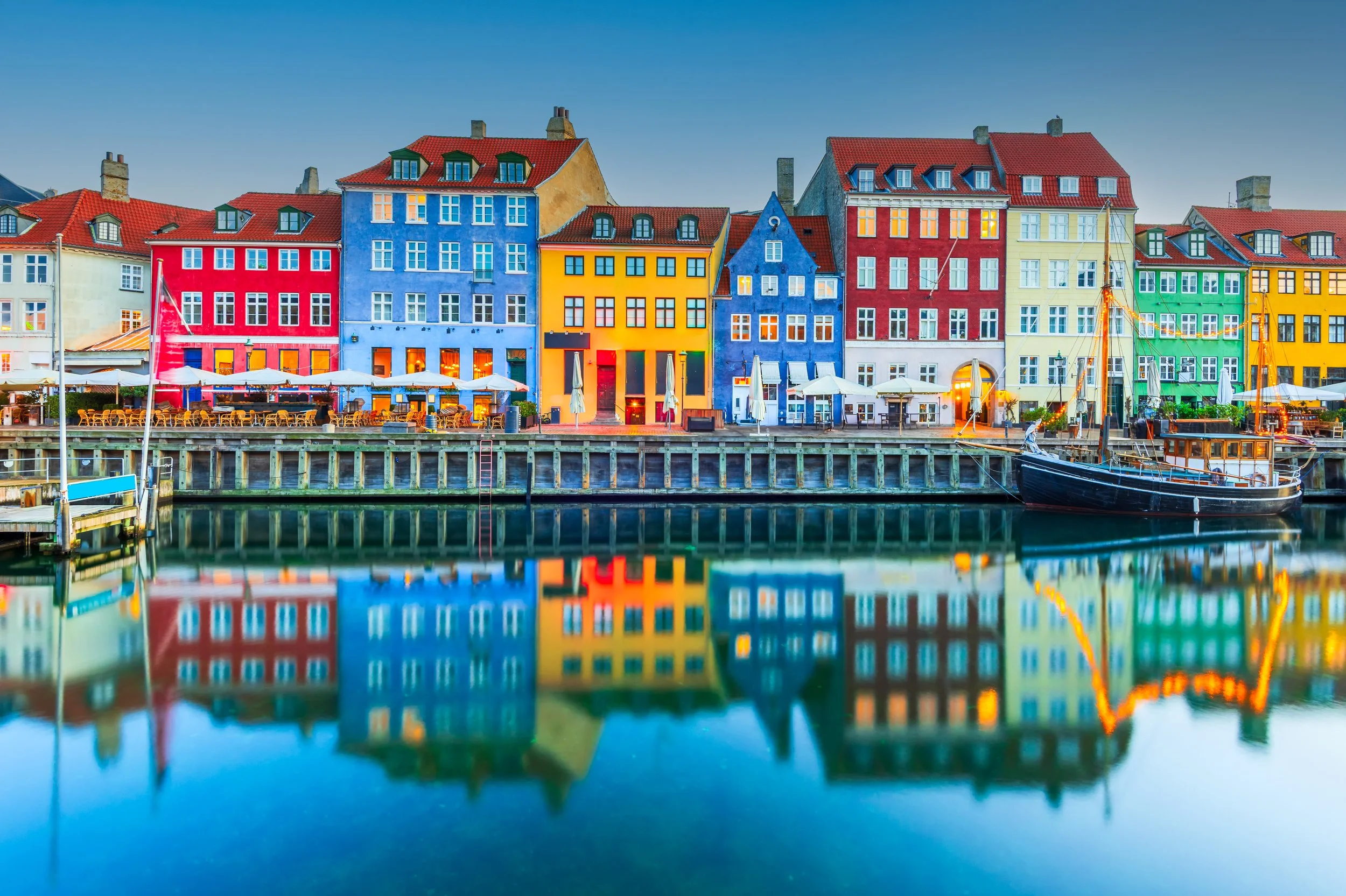
There is a particular appeal to Northern Europe. The cities feel layered with history, the architecture tells stories of changing empires and cultures, and the relationship between land and water shapes everything from daily life to the character of each destination.
For travelers who have explored the Mediterranean—or are simply looking for a different perspective on Europe—the Baltic Sea offers a remarkable journey through a region where neighboring countries can feel strikingly distinct.
A Baltic sailing can connect historic port cities, elegant capitals, medieval old towns, and Scandinavian design culture in a single itinerary. Yet each stop has its own personality, making the journey feel less like a collection of similar destinations and more like an introduction to an entirely different corner of Europe.
Copenhagen: A Beginning Worth Savoring
Copenhagen is an ideal introduction to the region. Denmark’s capital balances centuries of history with a distinctly modern sensibility, from its royal palaces and colorful harborfront to its celebrated design, contemporary architecture, and inventive food scene.
Rather than treating the city as simply the place where a sailing begins, spending a few days here allows travelers to settle into Northern European life before heading farther into the Baltic.
A boutique hotel, a leisurely walk along the waterfront, a memorable meal, and time to explore at your own pace can make Copenhagen a destination in its own right. It is a fitting opening to a journey defined by thoughtful design, cultural depth, and a slower appreciation of place.
A Region of Distinctive Cities
One of the Baltic’s greatest strengths is its variety. The destinations may be connected by the same sea, but their histories and identities are remarkably different.
Gdańsk, Poland: History Along the Waterfront
Gdańsk is a city shaped by maritime trade, architectural beauty, and a complicated European history. Its reconstructed historic center features ornate merchant houses, atmospheric streets, and waterfront views that reflect its long relationship with the sea.
The city also offers an opportunity to understand more of Poland’s past, including the events that helped shape modern Europe. It is a destination where a beautiful afternoon of wandering can lead naturally into a much deeper appreciation of the region.
Riga, Latvia: Art Nouveau and Old-World Character
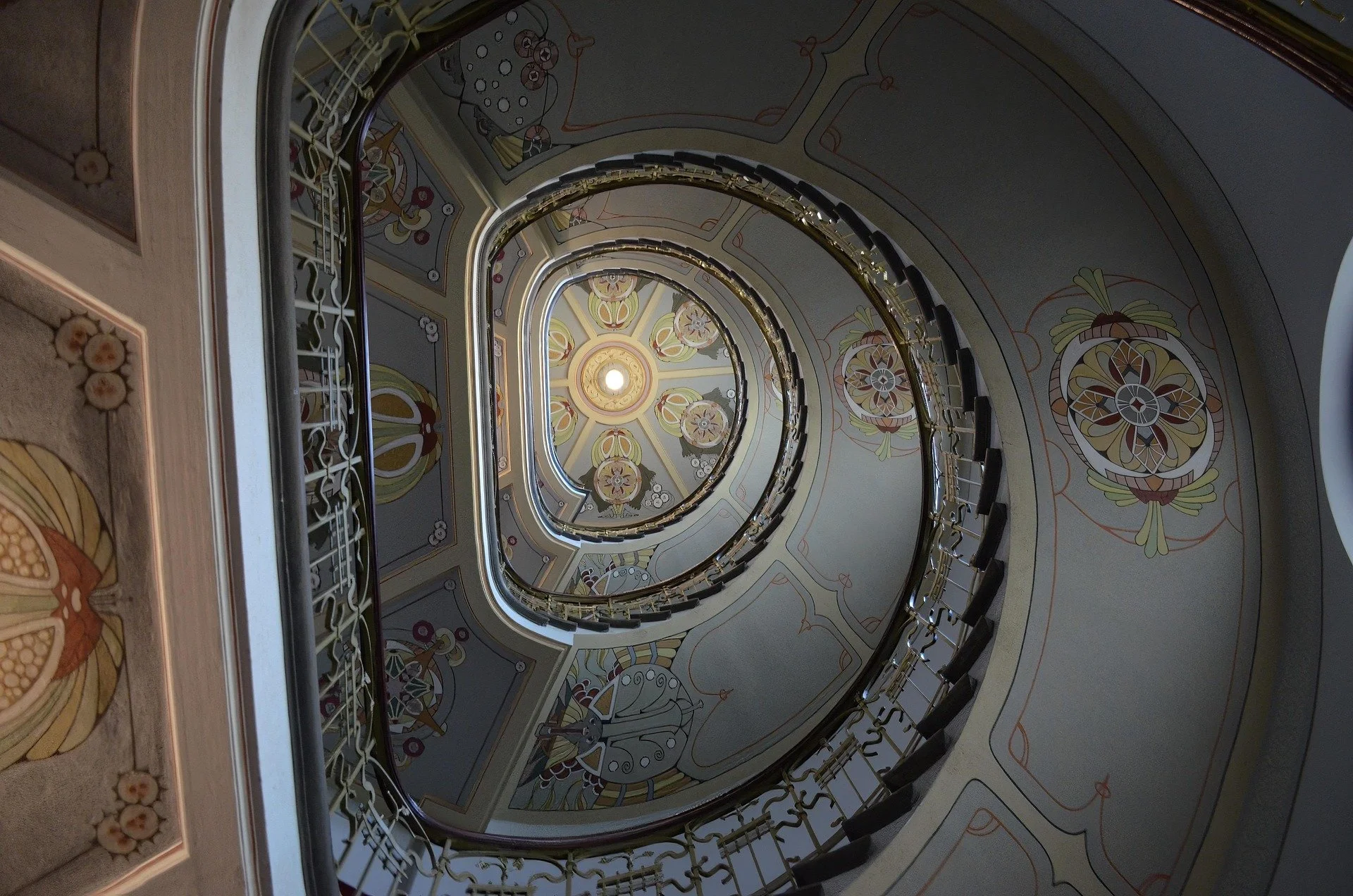
Latvia’s capital combines a historic old town with one of Europe’s most notable concentrations of Art Nouveau architecture. Ornate facades, broad boulevards, cafés, and lively market halls give Riga a personality that is both elegant and approachable.
It is a city that rewards looking up, slowing down, and noticing the details. Its architecture and urban atmosphere reflect the many cultural influences that have shaped this part of Northern Europe.
Klaipėda, Lithuania: A Different Baltic Perspective
Lithuania brings another cultural layer to the journey. Klaipėda, the country's principal seaport, has a maritime character and a history influenced by the shifting borders and identities of the Baltic region.
For travelers interested in seeing beyond Europe's most familiar capitals, Lithuania offers a chance to encounter a less-traveled destination and gain a broader understanding of the countries that border this sea.
Depending on the itinerary, the surrounding region can also provide access to the Curonian Spit, a striking landscape of sand dunes, forests, and coastal villages.
Tallinn, Estonia: Medieval Streets, Modern Energy
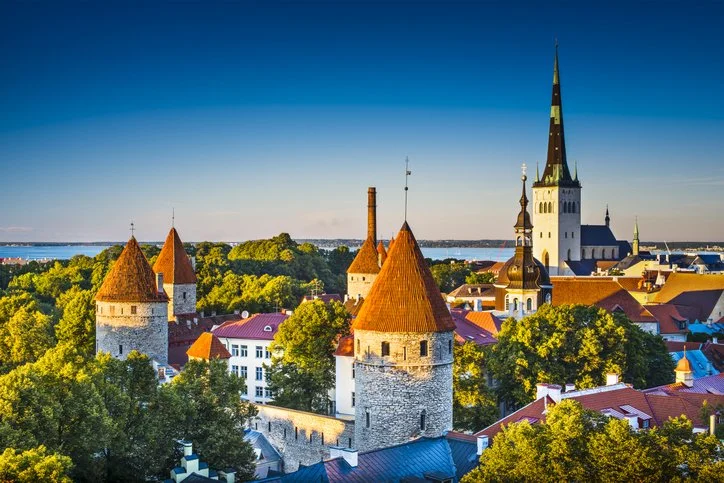
Tallinn’s old town feels almost storybook in character, with cobbled lanes, church towers, historic merchant buildings, and sections of medieval fortifications. Yet Estonia’s capital is not frozen in the past. Contemporary restaurants, creative spaces, and a forward-looking culture sit alongside the city's historic core.
That contrast is part of the appeal: a destination where centuries of history remain tangible, while modern life continues just beyond the old walls.
Helsinki, Finland: Scandinavian Design Meets Everyday Life
Across the Gulf of Finland, Helsinki offers a different rhythm. Architecture, design, public spaces, and a close relationship with the surrounding water all contribute to the city's distinctive character.
Travelers can explore landmarks, discover Finnish design, visit local markets, or simply enjoy the calm, understated atmosphere. Helsinki provides another perspective on Northern Europe, one that feels different from the Baltic's medieval cities and former trading centers.
Stockholm, Sweden: A Capital on the Water
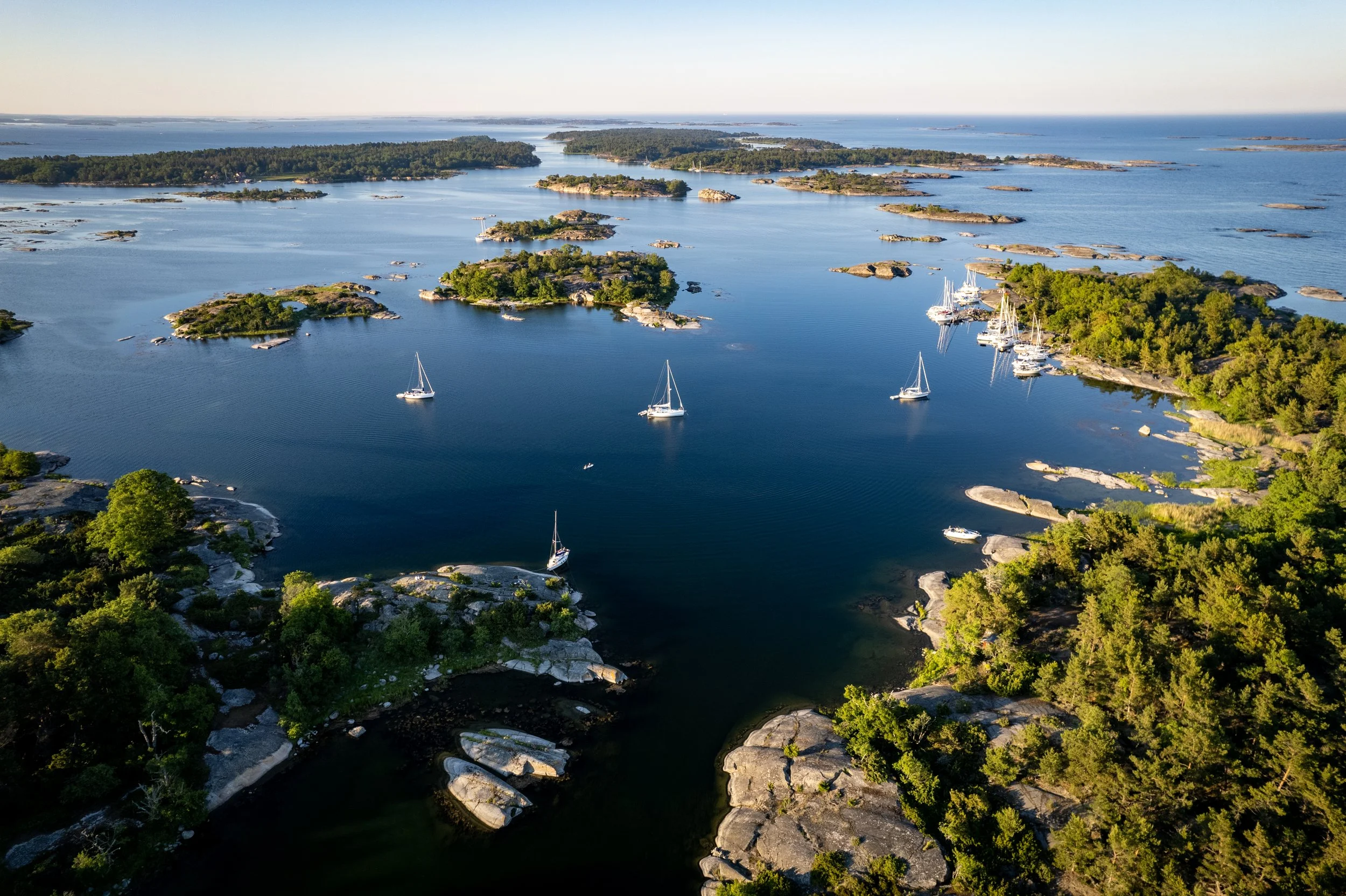
Stockholm is spread across islands connected by bridges, with waterways woven into the fabric of the city. Its historic Gamla Stan, royal heritage, museums, and contemporary neighborhoods offer plenty to explore, while the surrounding archipelago reveals just how closely Swedish life is connected to the sea.
An overnight stay in port, when included in an itinerary, can be particularly rewarding. It offers more flexibility to experience the city beyond a brief daytime visit and enjoy its restaurants, neighborhoods, and evening atmosphere.
The Experience Between Destinations
The cities are the highlights, but the sailing itself is part of what makes the Baltic so appealing.
Traveling by sea creates a natural connection between these different places. Instead of repeatedly packing, checking out, and navigating transfers between cities, travelers can settle into their ship while the landscape and cultural setting change around them.
The rhythm is different from a land journey, and the experience aboard can be an important part of the appeal. The right itinerary allows time to explore ashore while providing a comfortable place to return to at the end of the day.
The details matter, too. Some itineraries spend more time in particular ports; others include overnight stays or additional destinations. Choosing between them depends on which cities interest you most and how you want to experience the region.
A Different Side of Europe
The Baltic Sea may not be the first region that comes to mind when planning an ocean sailing, but that is precisely what makes it worth considering.
Here, the appeal lies in the contrast between destinations: Danish design, Polish maritime history, the Baltic states' distinctive cultural identities, Finnish architecture, and Sweden's island-studded capital. Together, they offer a rich and varied introduction to Northern Europe.
For travelers who have already enjoyed the Mediterranean, or who are ready to look beyond the familiar routes, the Baltic is a reminder of how much more there is to discover by sea.
At Matt Walker Travel, I help travelers explore possibilities like these and find journeys that reflect their interests, travel style, and curiosity about the world.
Sometimes the most rewarding next journey is the one that takes you somewhere you hadn't yet considered.
Whether the Baltic Sea has been on your wish list for years or you’re just discovering its possibilities, I can help you find the right sailing, explore the destinations that interest you most, and bring the details together into a well-planned journey.
Let’s start planning where the world will take you next.

Let me inspire your wanderlust
Every few weeks, I deliver a recap of my travels and valuable travel opportunities to your inbox. NO daily or weekly spam… I promise. Unsubscribe with 1-click at any time.
